
Pontoon Maintenance Checklist
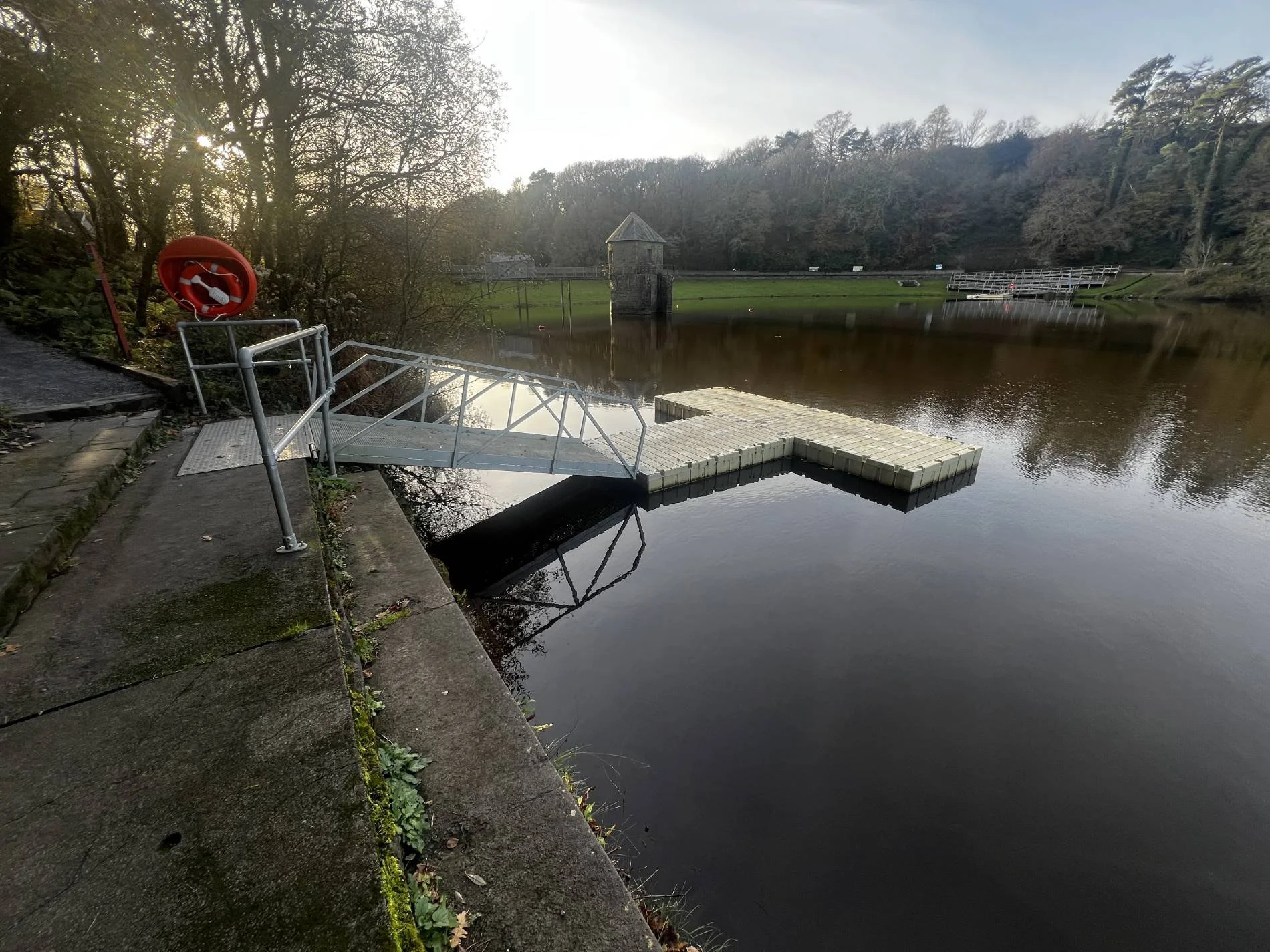
A simple guide to inspecting your pontoon and spotting signs of wear before they become costly repairs
A pontoon is an investment, and like any structure exposed to the elements, it benefits from regular inspection and maintenance.
Wind, rain, tides, changing water levels and day to day use all take their toll over time. The good news is that many issues can be identified early with a simple visual inspection, helping you avoid unexpected repairs and extend the life of your pontoon.
Whether you manage a marina, rowing club, Sea Cadet unit, commercial waterfront or private pontoon, this checklist will help you know what to look for and when it's time to seek professional advice.
Why regular inspections matter
Many pontoon problems develop gradually.
A loose fixing, worn connection or damaged float might not seem significant at first, but left unchecked it can lead to more extensive repairs, disruption or safety concerns.
Carrying out routine inspections doesn't have to be complicated. Spending a little time checking your pontoon throughout the year can help identify small issues before they become much bigger ones.
Pontoon Maintenance Checklist
Use this checklist as part of your routine inspections.
Decking
Check for:
☐ Loose or damaged boards
☐ Cracked or worn decking
☐ Slippery algae, moss or debris
☐ Uneven surfaces or trip hazards
Floats
Inspect for:
☐ Visible damage
☐ Signs of water ingress
☐ Uneven flotation
☐ Excessive movement
Connections & Fixings
Look for:
☐ Loose bolts or fixings
☐ Corrosion
☐ Missing components
☐ Wear around connection points
Handrails & Safety Features
Check that:
☐ Handrails remain secure
☐ Gates operate correctly
☐ Safety equipment is present
☐ Access points remain stable
Moorings & Anchors
Inspect for:
☐ Wear to chains or ropes
☐ Loose anchor points
☐ Signs of movement
☐ Damage following storms or high tides
Access Ramps
Check for:
☐ Smooth movement
☐ Secure hinges
☐ Damage or excessive wear
☐ Changes in levels between land and pontoon
Surrounding Environment
Take a moment to look for:
☐ Storm damage
☐ Debris caught beneath the pontoon
☐ Excessive vegetation growth
☐ Changes to the riverbed or shoreline that may affect the installation
How often should a pontoon be inspected?
There isn't a single answer.
Inspection frequency depends on where the pontoon is located, how often it's used and the conditions it's exposed to.
As a general guide:
| Pontoon Type | Visual Inspection | Professional Inspection |
|---|---|---|
| Private pontoon | Monthly | Every 12 months |
| Rowing clubs & Sea Cadet units | Monthly | Every 12 months |
| Marinas | Monthly | Every 6 to 12 months |
| Commercial pontoons | Monthly | Every 6 months |
| Floating work platforms | Before each use | Throughout the project as required |
If your pontoon has recently experienced flooding, severe weather or an impact from a vessel, it's always worth carrying out an additional inspection.
Signs your pontoon may need professional attention
Some issues should always be investigated by an experienced contractor.
Arrange an inspection if you notice:
Significant movement or instability
Uneven floating levels
Damaged floats
Corroded or failing fixings
Loose mooring systems
Structural damage
Components that have become detached
Damage following storms or collisions
Leaving these issues unresolved can lead to more extensive repairs and increase the risk of further damage.
Can you carry out maintenance yourself?
Routine cleaning and visual inspections are straightforward and can often be carried out by the person responsible for managing the pontoon.
Repairs are different.
Structural components, mooring systems and anything below the waterline should be assessed by experienced professionals with the right equipment and knowledge. Attempting repairs without understanding how the pontoon behaves on the water can sometimes make the problem worse.
When in doubt, it's always worth seeking advice before carrying out remedial work.
A little maintenance goes a long way
Regular inspections don't just help prevent repairs. They also help protect the value of your investment and give you confidence that your pontoon remains safe and ready for use.
A simple maintenance routine today can often prevent costly disruption tomorrow.
Need a second opinion?
If you've spotted something that doesn't look quite right, or you'd simply like the reassurance of a professional inspection, the team at MMS is here to help.
We provide pontoon inspections, maintenance, repairs and installation support across the South Coast, West Country and Wales.
Whether your pontoon was installed by MMS or another contractor, we'll give you honest advice on its condition and recommend the most practical next steps.
Ready to arrange an inspection?
Get in touch with the team to discuss your pontoon or request a maintenance inspection.